Reading a bag: process, altitude, variety
The three lines on a specialty bag that actually tell you how the coffee will taste.
Written in-house by the Cophi editorial team. This is prototype content — it is not reviewed by an outside expert and makes no professional claim.
Prototype content. The coffees and roasters referenced here are fictional demo records, and this piece has not been reviewed by an outside expert.
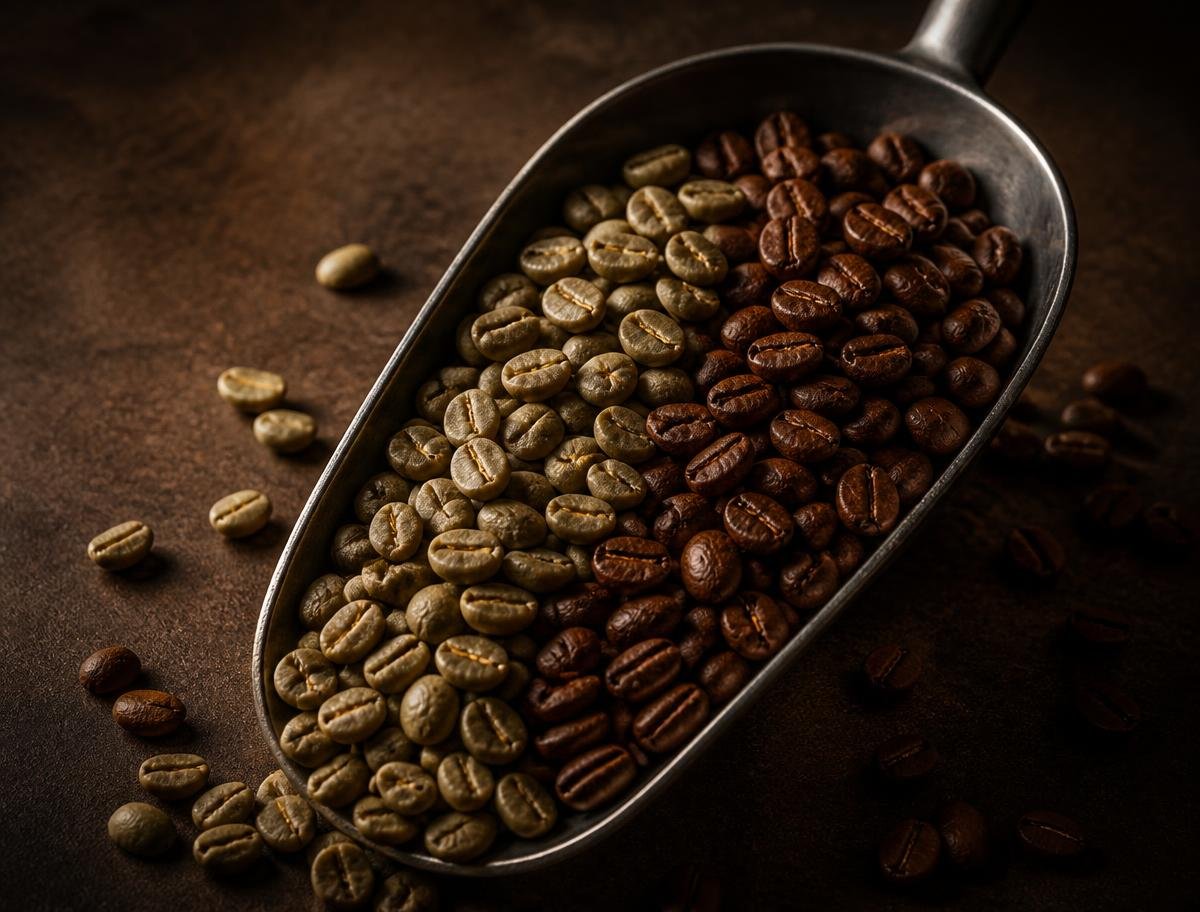
Specialty bags carry more information than most people read, and three lines carry most of the predictive weight: how the coffee was processed, how high it grew, and which variety it is. Together they tell you more about the cup than any tasting note ever will.
Process: what happened to the fruit
Washed coffees have the fruit removed before drying, which tends to produce a cleaner, more acidic and more transparent cup. Natural coffees dry with the fruit still attached, which usually pushes the flavour towards heavier berry sweetness and more body. Honey processing sits between the two.
- Washed — clean, bright, structured
- Natural — fruity, sweet, heavier
- Honey — sweet with moderate structure
- Experimental — deliberately unusual; read the tasting notes carefully
Altitude: how slowly the cherry grew
Higher, cooler growing conditions slow the cherry's development, which generally produces denser beans and more acidity. A bag printed with 1,800 to 2,100 metres above sea level is signalling a coffee likely to taste bright and defined. Lower altitudes tend towards softer acidity and rounder chocolate character.
Variety: the plant itself
Variety is the least reliable single predictor but still useful. Gesha is associated with floral, tea-like cups; SL28 and SL34 with dense blackcurrant acidity; Bourbon and Typica with balanced sweetness. Treat it as a hint about style rather than a guarantee of flavour.
Putting the three together
A washed SL28 grown at 1,900 metres will almost certainly be bright, structured and acidic. A natural Bourbon from 1,300 metres will almost certainly be sweeter, softer and fruitier. Once you can read that from the label, you can shop by the coffee's actual shape rather than by the roaster's adjectives — which is exactly the information Cophi filters on.
Prices, availability and roast dates change often. Always check the roaster's own website before buying.
Related on Cophi
More from the Journal
 Field notes2 min read
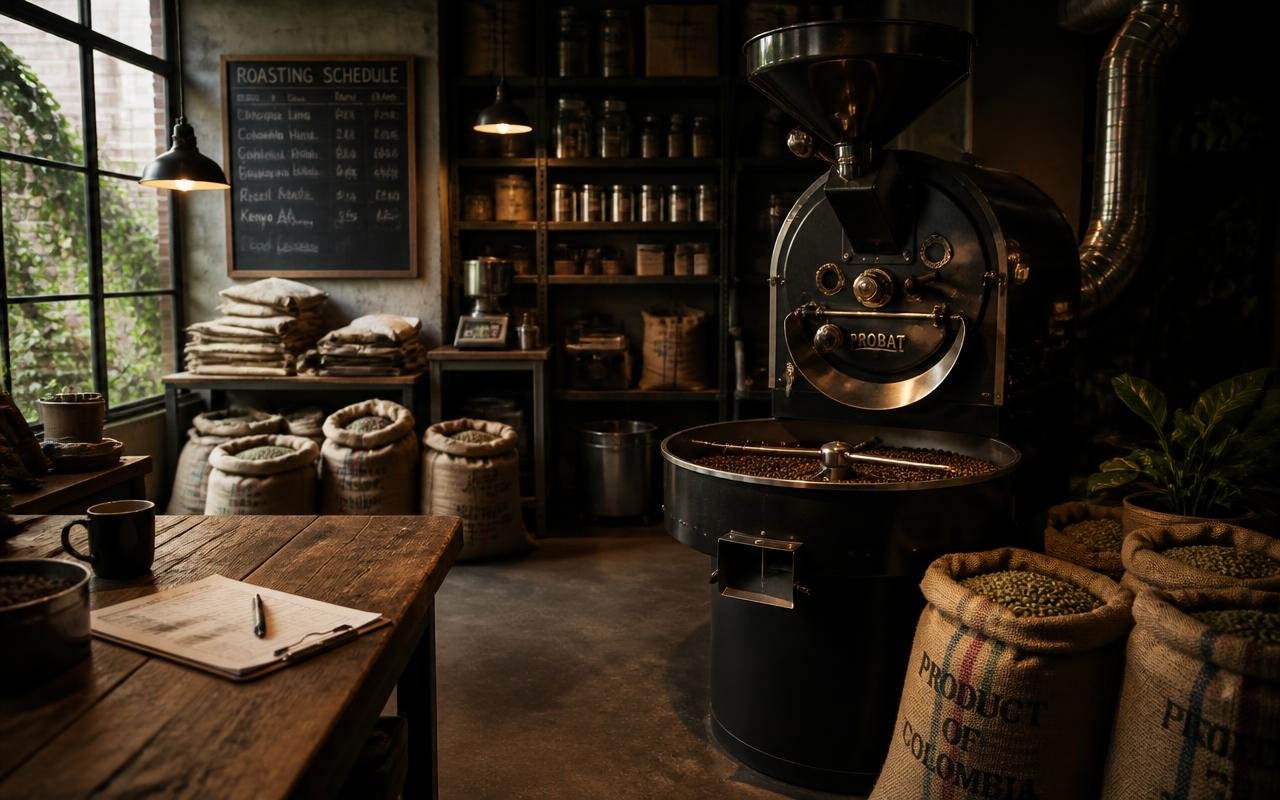
Inside a 12kg roastery in Hobart
One machine, twice a week — and what that patient schedule does to a roast date.
Cophi Editorial TeamRead the piece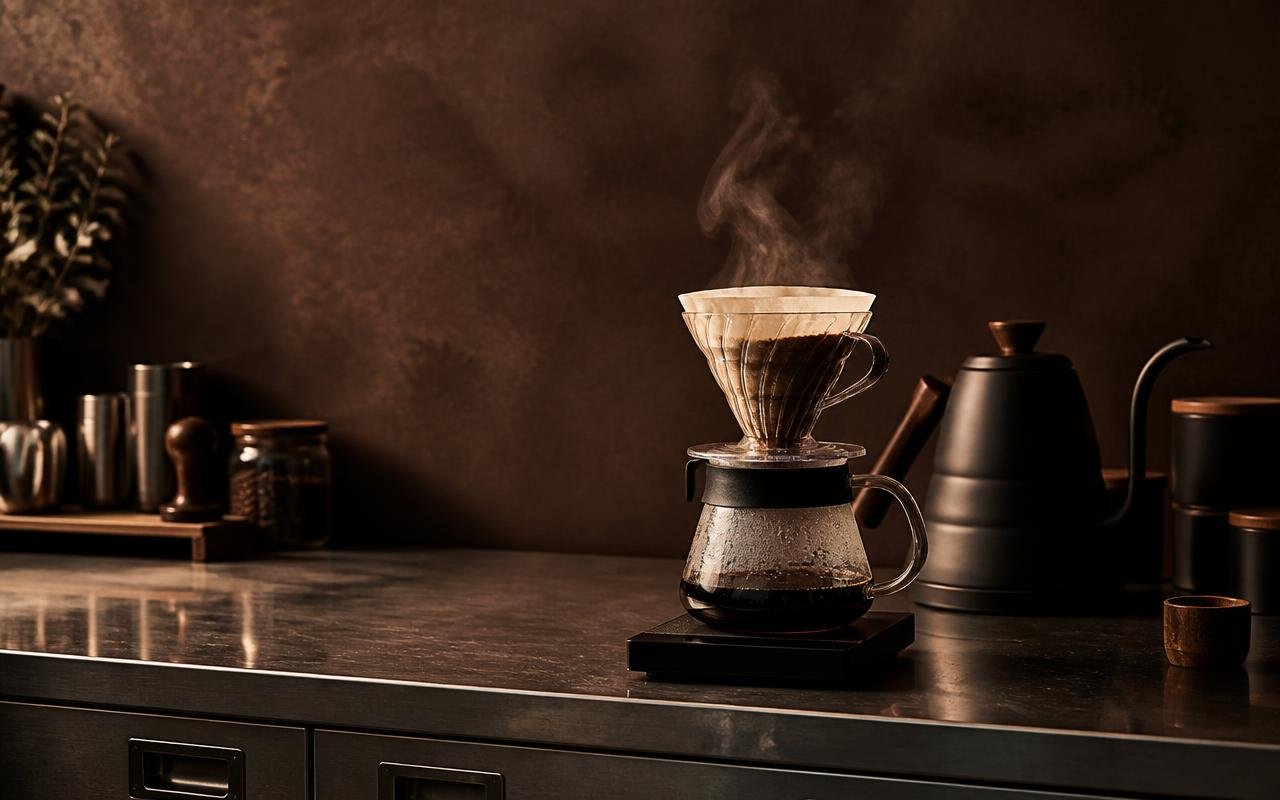 Brew guide2 min read
Why your pour-over tastes thin at home
Four dials worth checking before you blame the beans — grind, temperature, ratio, and the two minutes you're probably rushing.
Cophi Editorial TeamRead the piece